
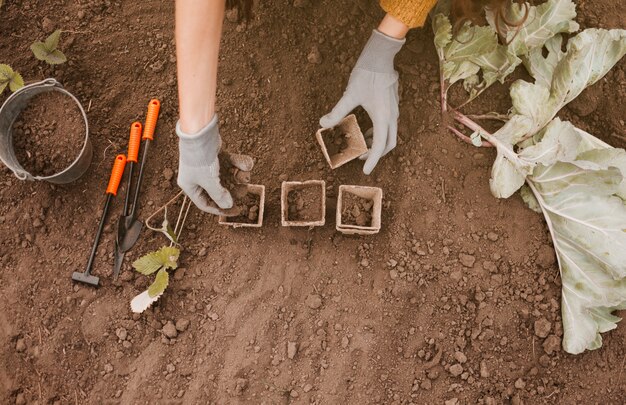
Knowing the different soil types for excavation is essential before any digging begins. Soil conditions directly affect equipment selection, safety procedures, project timelines, and overall costs. Contractors and property owners who understand soil behavior can plan more efficiently and reduce the risk of delays or structural issues.
Excavation is not simply about removing earth. The physical characteristics of soil determine how easily it can be moved, how stable trenches remain, and how foundations perform over time. Proper assessment at the planning stage ensures smoother operations and better long-term results.
Why Soil Identification Matters
Every construction site has unique ground conditions. Identifying soil types for excavation helps determine the right machinery and methods, and also influences drainage planning, foundation support, and backfilling techniques. Incorrect soil assessment can lead to trench collapse, uneven settling, or poor drainage. Conducting post-excavation inspections ensures the site is safe, compliant, and ready for the next construction phase, supporting accurate project estimates and long-term stability.
Clay Soil and Excavation Challenges
Clay soil excavation often presents challenges due to the dense and sticky nature of clay. When wet, clay becomes heavy and difficult to handle. It can cling to equipment and slow progress. When dry, it may become extremely hard, requiring more powerful machinery.
Clay also expands when wet and shrinks when dry. This movement can affect foundations and underground utilities if not managed properly. Contractors often focus on drainage and stabilization methods when working with clay soils to maintain long-term stability.
Working with Sandy Soil
Sandy ground behaves differently from clay. Loose particles make digging easier, but stability becomes a concern. Sandy soil tips often focus on trench support and erosion control. Because sand drains quickly, water movement must be carefully managed to prevent shifting or collapse.
Compaction is another key factor. Without proper soil compaction, sandy areas may settle over time, affecting structures and paved surfaces. Contractors use specialized equipment to achieve the required density for safe construction.
Rocky Terrain Considerations
Sites with bedrock or large stones bring rocky terrain challenges. Excavation in these conditions may require heavy-duty equipment or controlled breaking methods. Progress can be slower, and planning must account for potential wear on machinery.
Rocky ground can offer strong support for structures, but only if excavation is precise. Proper grading and leveling are critical to create stable foundations.
Soil Compaction and Stability
Regardless of soil type, soil compaction plays a major role in excavation projects. Compaction increases soil density and load-bearing capacity. Poor compaction can lead to settling, cracks, or structural movement later.
Different soils require different compaction techniques. Clay may need moisture control, while sand often requires vibration methods. Understanding soil behavior ensures the right approach is used.
Grading and Drainage Planning
Grading considerations depend heavily on soil characteristics. Proper grading directs water away from structures and prevents erosion. Clay soils may retain water, while sandy soils allow quick drainage. Rocky areas may require surface adjustments to ensure even flow.
Effective grading protects both the structure and the surrounding landscape. It also supports long-term durability of foundations and paved areas.
Equipment Selection Based on Soil Type
The type of machinery used often depends on the ground conditions. Heavy clay or rocky terrain may require powerful excavators and reinforced tools. Lighter soils may allow for smaller, more flexible equipment.
Choosing the right tools improves efficiency and reduces wear and tear. It also enhances safety by ensuring machinery can handle site conditions without strain.
Safety Implications
Different soil types for excavation carry varying safety risks. Loose or sandy soils increase the chance of trench collapse, wet clay creates slippery surfaces, and rocky ground presents hazards from shifting materials.
Effective safety planning includes trench supports, slope adjustments, and continuous monitoring of soil conditions. Understanding soil behavior helps reduce risks for workers and equipment, ensuring excavation projects are completed safely and efficiently.
Long-Term Performance of Excavated Sites
Soil type influences how land performs after construction. Proper preparation prevents erosion, water pooling, and structural settling. Contractors who consider soil conditions during excavation set the stage for stable, long-lasting results.
Property owners benefit from fewer maintenance issues when soil characteristics are addressed correctly at the start.
Professional Assessment Is Key
Soil testing and expert evaluation provide accurate information before excavation begins. Professionals can recommend suitable excavation techniques, equipment, and stabilization measures based on findings.
Working with experienced teams ensures soil types for excavation are fully understood and integrated into project planning. For inquiries or project support, contact Titanium Excavation.
Frequently Asked Questions (FAQs)
Why are soil types important in excavation?
They affect safety, equipment choice, and long-term structural stability.
What makes clay soil difficult to excavate?
Clay becomes sticky when wet and very hard when dry, requiring careful handling.
Is sandy soil easier to dig?
Yes, but it needs strong support and compaction to maintain stability.
How does rocky terrain affect projects?
It may slow progress and require specialized equipment for breaking and leveling.
Why is soil compaction important?
Proper compaction prevents settling and improves load-bearing capacity.
Recent Comments