
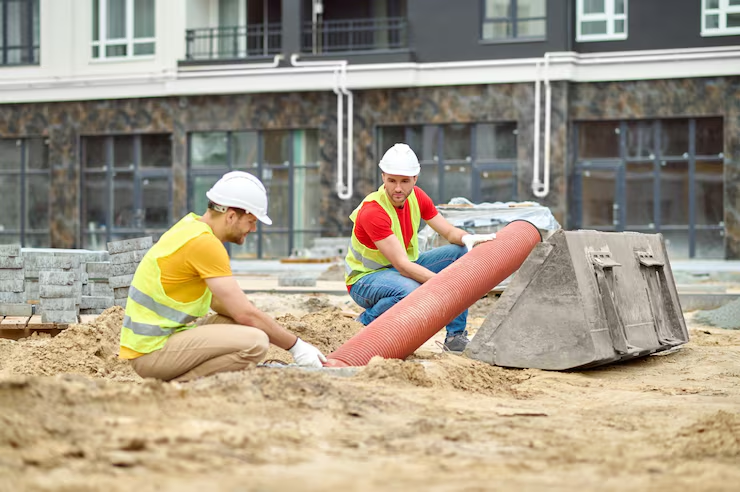
Underground utilities are the invisible backbone of every property. Sewer lines, water lines, storm water drainage systems, and irrigation infrastructure work silently beneath the surface, and most property owners only think about them when something goes wrong.
The truth is that preventative maintenance is far less expensive than emergency repairs or full replacement. With the right approach, property managers and homeowners in Nampa, Caldwell, Boise, and the surrounding Idaho area can significantly extend the service life of their underground utility systems.
This guide covers practical maintenance tips for sewer lines, water lines, and storm water systems, along with guidance on when professional excavation services are needed.
Understanding Wet Utilities and Their Lifespan
Wet utilities refer to underground infrastructure that carries water or water-based materials. This category includes:
• Sewer lines that carry wastewater from buildings to municipal treatment systems
• Water supply lines that deliver clean water to homes and commercial properties
• Storm water drainage systems including storm drains, culverts, and retention infrastructure
• Irrigation lines used for landscaping and agricultural applications
The lifespan of underground utilities varies based on material type, soil conditions, installation quality, and maintenance history. Clay sewer pipes may last 50 to 60 years, while modern PVC pipes can exceed 100 years with proper care. Cast iron water lines typically last 75 to 100 years, though corrosion can significantly shorten this timeline in certain soil environments.
Sewer Line Upkeep and Preventative Care
Sewer lines are among the most frequently damaged underground utilities. Root intrusion, grease buildup, pipe joint separation, and corrosion are the leading causes of sewer line failures. With regular upkeep, most of these problems can be identified before they become major failures.
Schedule Regular Inspections
Camera inspections are the most effective way to assess sewer line condition without excavation. A small camera is fed through a cleanout access point and transmits live video of the pipe interior. This can identify cracks, root intrusion, grease buildup, bellied sections, and joint failures before they cause backups or collapses.
For residential properties, sewer camera inspections every three to five years are generally recommended. Commercial properties with higher usage should consider annual inspections.
Hydro Jetting for Cleaning
Hydro jetting uses high-pressure water to clear blockages and clean pipe interiors. Unlike snaking, which only punches through clogs, hydro jetting removes debris from pipe walls and restores flow capacity. This is especially effective for properties that experience recurring drain slowdowns or partial blockages.
Root Intrusion Management
Tree and shrub roots naturally seek moisture and will infiltrate sewer line joints over time. Chemical root treatments can slow regrowth after removal. In cases of severe intrusion, pipe lining or spot repair may be necessary. Replacing deteriorated sections before a full collapse saves significant cost and disruption.
Water Line Inspections and Leak Prevention
Water line leaks waste resources, increase utility costs, and can cause ground subsidence, foundation damage, and sinkholes if left unaddressed. Early detection is critical.
Monitor Water Pressure and Usage
Unexplained increases in water bills or drops in pressure can indicate leaks in supply lines. Property managers and homeowners should track monthly water usage and investigate any significant increases that are not attributable to seasonal changes or occupancy.
Conduct Periodic Visual Inspections
Soft, wet spots in the yard or paved areas during dry weather, sinkholes or depressions forming near utility corridors, and unusually lush vegetation in specific areas can all indicate water line leaks. These visual clues should prompt a professional inspection before the situation worsens.
Storm water System Maintenance Best Practices
Storm water systems manage runoff from rain events, protecting properties from flooding and erosion. When storm drains, catch basins, and conveyance pipes become blocked, the results can be rapid and costly.
Clean Catch Basins and Inlets Regularly
Catch basins collect debris, sediment, and organic material before it enters the underground drainage system. Inspect and clean these structures at least twice per year, and more frequently after major rain events or leaf fall seasons.
Maintain Swales and Drainage Features
Open drainage swales, berms, and retention areas require periodic grading and vegetation management to function properly. Sediment buildup can reduce capacity over time. Regrading and clearing these features before the wet season ensures they perform as designed during heavy rainfall.
Irrigation System Maintenance for Long-Term Performance
Some maintenance tasks can be handled by property owners, but excavation, pipe repair, and utility replacement require professional contractors with the proper equipment and expertise. You should call a professional when:
• Camera inspections reveal significant pipe damage, joint failures, or root intrusion
• Water line leaks are confirmed or suspected but cannot be located with surface inspection
• Storm drain pipes are collapsed, severely blocked, or showing signs of structural failure
• Foundation movement or sinkholes indicate subsurface voids from utility failures
• Regulatory permits are required for repairs or replacements near public right-of-way
Conclusion
Underground utilities are a long-term asset that rewards proactive care. Regular inspections, cleaning, and timely repairs extend the service life of sewer lines, water lines, and storm water systems while preventing the far greater costs of emergency repairs and full replacements.
Titanium Excavation provides professional utility maintenance, inspection, and installation services across the Treasure Valley. Contact us to schedule a site evaluation and protect the underground infrastructure that keeps your property functioning.
Frequently Asked Questions (FAQs)
How often should underground utilities be inspected?
For sewer lines, camera inspections every three to five years are recommended for residential properties. Commercial or high-usage properties should be inspected annually. Water lines and stormwater systems should be visually monitored regularly, with professional inspections when problems are suspected.
What are the signs of a failing sewer line?
Common warning signs include recurring drain backups, sewage odors inside or outside the building, unusual wet spots in the yard during dry weather, and cracks in foundation walls. If multiple fixtures drain slowly at the same time, the problem is likely in the main sewer line rather than individual drain branches.
Can tree roots really damage underground pipes?
Yes. Tree and shrub roots are one of the leading causes of sewer line damage. Roots follow moisture through the soil and enter pipe joints, where they grow and expand over time. This can cause joint separation, crushing, and complete blockage. Regular inspections and root treatment programs can manage this risk effectively.
How long do underground utility pipes last?
Lifespan varies by material. PVC pipe can last over 100 years. Clay tile may last 50 to 60 years. Cast iron water mains typically last 75 to 100 years depending on soil chemistry. Corrugated metal storm drain pipes may have a shorter lifespan in corrosive soil conditions. Maintenance history significantly affects actual longevity.
What is the difference between preventative and reactive utility maintenance?
Preventative maintenance involves scheduled inspections, cleaning, and minor repairs before failures occur. Reactive maintenance addresses problems after they cause disruptions, backups, or visible damage. Preventative maintenance is consistently less expensive because it avoids emergency service costs, property damage, and infrastructure replacement.
Who should I contact for underground utility maintenance in Idaho?
A qualified excavation and utility contractor with experience in wet utility systems is the right resource for underground utility maintenance in Idaho. Titanium Excavation serves Nampa, Caldwell, Boise, and surrounding communities with comprehensive utility inspection, repair, and installation services.
Recent Comments