
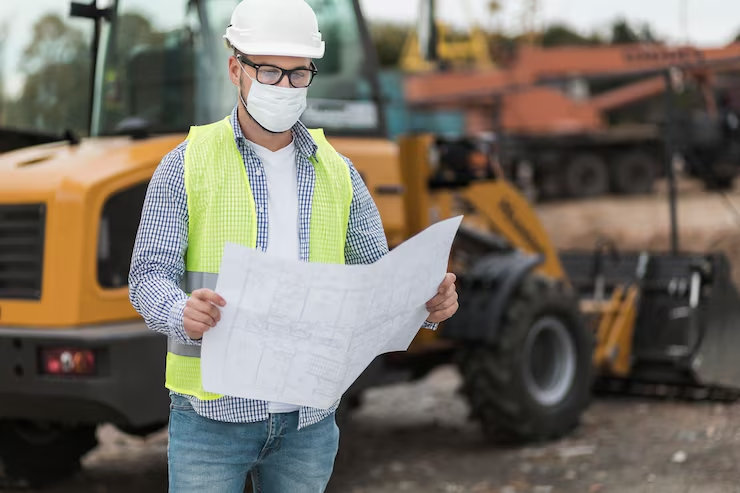
Excavation work is one of the most hazardous categories of construction activity. Cave-ins, equipment accidents, underground utility strikes, and exposure to hazardous atmospheres put crews at serious risk every day. Proper excavation safety training is not just a regulatory requirement, it is the foundation of a safe, efficient, and professional job site.
At Titanium Excavation, we believe that a well-trained crew is a safe crew. Whether you are managing a residential dig or a large-scale commercial earthmoving project in Nampa, Caldwell, or Boise, Idaho, knowing the safety protocols before equipment touches the ground can prevent injuries, save lives, and protect your business.
This guide covers what every excavation crew member needs to know, from OSHA requirements to trench safety and proper PPE use.
OSHA Compliance Requirements for Excavation Crews
The Occupational Safety and Health Administration (OSHA) sets the federal standards for excavation and trenching safety under 29 CFR 1926 Subpart P. These regulations apply to all excavations deeper than five feet, and in many cases, even shallower digs require protective measures based on soil conditions. For contractors working on projects that require strict compliance and safe execution, partnering with experienced excavation professionals can help ensure these standards are properly followed on-site.
Key OSHA requirements include:
• A competent person must inspect trenches and excavations daily before work begins
• Protective systems such as sloping, shoring, or trench boxes must be in place for excavations five feet deep or greater
• Spoil piles must be kept at least two feet from the edge of the excavation
• Safe means of access and egress, such as ladders, must be provided in trenches four feet or deeper
• Excavations near water accumulation, oxygen-deficient atmospheres, or unstable soils require additional precautions
Trench Safety Fundamentals Every Worker Needs to Know
Trenches are especially dangerous because collapses can happen without warning. A cubic yard of soil weighs approximately 3,000 pounds, making a cave-in instantly fatal. Despite this risk, many crews overlook basic trench safety protocols. This is often due to time pressure on active job sites or a lack of proper awareness about how quickly unstable soil can shift. Even minor vibrations from nearby equipment or changes in moisture levels can significantly increase the risk of trench failure, which is why strict safety practices must always be followed before and during excavation work.
Soil Classification
OSHA classifies soils into three categories: Type A (most stable), Type B (moderately stable), and Type C (least stable). The type of soil determines which protective system is required. A competent person must evaluate soil conditions before and during every excavation.
Protective Systems
Depending on the depth and soil type, crews must use one of the following protective systems:
• Sloping: Cutting back the trench wall at a safe angle based on soil type
• Shoring: Installing supports such as hydraulic shores or timber shoring to prevent cave-ins
• Trench boxes (shield systems): Using prefabricated metal boxes that protect workers inside the trench
Inspection Protocols
A competent person must inspect the excavation at the start of each shift, after rainstorms or other weather events, after any ground movement, and whenever conditions change. Documentation of these inspections is best practice and may be required on certain project types.
Personal Protective Equipment on Excavation Sites
PPE is the last line of defense when hazard controls are insufficient. Excavation crews must be trained on what PPE is required, when to wear it, and how to use it correctly.
Standard PPE for excavation work includes:
• Hard hats to protect against falling objects and overhead hazards
• High-visibility vests or clothing when working near vehicles or equipment
• Steel-toed boots to protect against dropped materials and sharp debris
• Gloves rated for the specific tasks being performed
• Respiratory protection when working near dust, fumes, or potentially contaminated soil
• Eye and face protection during cutting, grinding, or utility work
Hazard Prevention and Risk Assessment
Proactive hazard identification before and during excavation prevents most accidents. A formal pre-task risk assessment should be conducted at the start of every project and updated as conditions change.
Underground Utility Identification
Striking an underground utility line is one of the most dangerous and costly excavation mistakes. Crews must contact 811 (Call Before You Dig) at least two business days before any excavation begins. Even with utility markings in place, hand digging is required within the designated tolerance zone.
Water and Atmospheric Hazards
Standing water in excavations can destabilize trench walls. Atmospheric hazards such as low oxygen levels, carbon monoxide, or hydrogen sulfide can be present in deep excavations or near certain utility lines. Atmospheric testing equipment must be used before workers enter confined space excavations.
Traffic and Equipment Hazards
On active job sites, excavation crews must be protected from vehicle traffic through clear barricading, signage, and flaggers when necessary. Equipment operators must maintain safe distances from open excavations and never position heavy machinery near unstable trench edges.
Best Practices for Crew Education and Ongoing Training
Safety training is not a one-time event. Ongoing education keeps crews sharp, aware of updated regulations, and prepared for conditions they may not have encountered before. It also helps reinforce real-world hazard recognition on active job sites, ensuring workers can respond quickly and correctly when unexpected situations arise during excavation work.
Best practices for crew safety education include:
• Conduct toolbox talks at the start of every shift covering the day’s specific hazards
• Require new crew members to complete formal excavation safety training before working unsupervised
• Review and update site-specific emergency action plans regularly
• Train workers on emergency procedures including rescue operations for trench collapses
• Provide refresher training after any near-miss incident or safety violation
• Keep training records on file and accessible for OSHA inspections
Conclusion
Excavation safety training is one of the most important investments a contractor or developer can make. From OSHA compliance and trench safety to PPE selection and crew education, every aspect of safety training reduces risk and protects the people doing the most important work on your job site.
At Titanium Excavation, our crews are trained, equipped, and committed to safe excavation practices across Nampa, Caldwell, Boise, and the greater Treasure Valley area. For reliable excavation services delivered with safety at the forefront, contact us today.
Frequently Asked Questions (FAQs)
What is the most common cause of excavation fatalities?
Cave-ins are the leading cause of excavation-related fatalities. When trench walls collapse without protective systems in place, workers can be buried under thousands of pounds of soil in seconds. Proper sloping, shoring, or trench boxes are required by OSHA to prevent this.
Is excavation safety training required by law?
Yes. OSHA requires that all workers involved in excavation and trenching operations receive training on applicable hazards and protective measures. Competent persons responsible for site inspections must also demonstrate the knowledge and authority to identify and correct hazardous conditions.
How often should excavation sites be inspected?
OSHA requires that a competent person inspect excavations and trenches daily, before each shift, and after any event that could affect stability such as rainfall, ground movement, or adjacent construction activity.
What PPE is required for excavation work?
At minimum, excavation workers must wear hard hats, high-visibility vests, and steel-toed boots. Depending on conditions, respiratory protection, gloves, eye protection, and hearing protection may also be required. A competent person on site determines what additional PPE is needed based on specific hazards.
Who is considered a competent person in excavation?
OSHA defines a competent person as someone with the knowledge and training to identify existing and predictable hazards and the authority to take prompt corrective action. For excavation, this person must understand soil classification, protective systems, and relevant OSHA standards.
What should I do if I notice an unsafe condition in a trench?
Workers must immediately exit the excavation and report the unsafe condition to their supervisor or competent person. No one should re-enter the trench until the hazard has been identified, addressed, and cleared by a competent person.
Recent Comments