
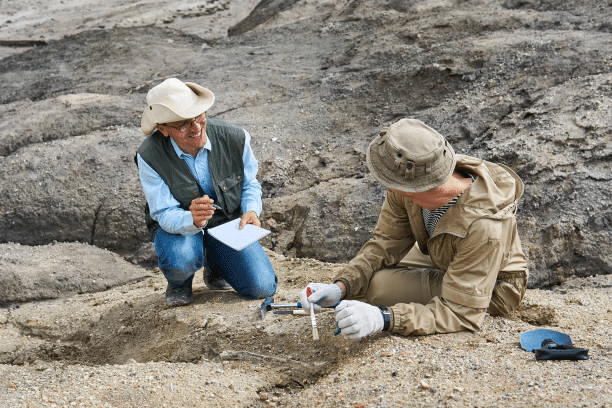
What Is a Pre-Excavation Site Assessment?
Before the first piece of equipment hits the ground, a smart construction project starts with a pre-excavation site assessment. This crucial step helps uncover issues that could delay the project, inflate costs, or compromise safety — and in a growing area like Nampa, Idaho, that foresight is more valuable than ever. Working with experienced professionals who offer comprehensive excavation services ensure this step is done right.
A site assessment examines soil conditions, drainage, utility lines, topography, environmental risks, and overall constructability. It’s the bridge between planning and execution — ensuring the land is ready, safe, and compliant with regulations before earthmoving begins.
Why It’s Crucial for Projects in Nampa
In Nampa and the surrounding Treasure Valley, construction projects must navigate unique challenges:
- Varying soil types (from clay to volcanic rock)
- High water tables in some areas
- Mixed zoning (urban infill vs agricultural edge lots)
- Stormwater management requirements
A pre-excavation assessment addresses all these by identifying potential red flags early — before they impact your budget or timeline.
Whether you’re developing a commercial site or preparing for residential construction, working with a qualified team ensures you’re starting from a place of insight, not guesswork.
Key Elements of a Professional Site Assessment
A full site prep evaluation typically includes:
- Soil Testing and Classification
Determines the soil’s load-bearing capacity, drainage properties, and suitability for foundations. - Topographic and Boundary Surveys
Maps slopes, elevations, and property lines to guide grading and design decisions. - Subsurface Utility Locating
Identifies underground water, sewer, gas, and electrical lines to avoid costly and dangerous hits. - Environmental Considerations
Checks for protected wetlands, contaminants, or flood risks that could halt work. - Access and Traffic Planning
Evaluates entry points for machinery and haul-off, especially critical on tight or active job sites.
Common Risks of Skipping This Step
Some developers are tempted to jump straight into excavation, but this shortcut can backfire.
Skipping a thorough pre-excavation assessment can lead to:
- Utility strikes and fines
- Soil instability and foundation issues
- Grading mismatches
- Delays due to permit problems or inspection failures
In many cases, the cost of rework far exceeds the price of getting the site assessment done right the first time.
Titanium Excavation’s Site Prep Approach
For over a decade, Titanium Excavation has been a leader in site preparation and excavation services across Nampa, Boise, and the Treasure Valley. Their team blends local expertise with cutting-edge tools to ensure each site is primed for success before work begins.
Their site prep strategy includes:
- A comprehensive on-site inspection
- Coordination with engineers, surveyors, and utility locators
- Tailored grading and excavation planning
They offer full transparency on timing, budget, and risk, making them the go-to resource for contractors who want reliability from day one.
How Grading Fits into the Bigger Picture
Once the site is assessed, grading comes next — shaping the land to the required elevations, slopes, and compaction levels for construction.
Titanium’s commercial grading services cover:
- Road and parking lot prep
- Pad grading for buildings
- Mass grading for large developments
- Compaction testing and erosion control
Proper grading sets the tone for everything that follows — drainage, foundation stability, and accessibility.
Best Practices for a Successful Site Assessment
Whether you’re new to construction or a seasoned project manager, these best practices ensure a smooth start:
- Engage your excavation partner early. Bring them in before plans are finalized.
- Combine geotechnical studies with grading plans. Avoid conflicts between what’s ideal and what’s possible.
- Always locate utilities. Even vacant lots can hide old lines.
- Think long-term. Consider post-construction water runoff and site access for maintenance.
With local experience and a deep understanding of regional codes, Titanium Excavation helps clients avoid surprises and start building with confidence.
Conclusion: Build Smart with a Proper Site Assessment
In the Nampa construction scene, where demand is booming and timelines are tight, skipping a pre-excavation site assessment is a risk not worth taking.
By investing in this crucial step — and partnering with a team like Titanium Excavation — you reduce risk, streamline approvals, and set your project up for long-term success. Whether you’re prepping a commercial lot or a residential community, start strong by assessing the ground beneath your feet.
FAQs
1. How early should I schedule a site assessment?
Ideally, before finalizing building plans. Early assessments can guide better decisions and flag red flags upfront.
2. Can I reuse an old site survey?
Only if it’s recent and reflects current soil conditions, property boundaries, and utility placements.
3. How much does a professional site assessment cost?
Costs vary by site complexity, but investing early can save thousands in rework and delays later.
4. Is a site assessment required by law in Idaho?
Not always, but it’s often necessary to secure permits and avoid violations.
5. Do I need an excavation company for this?
While engineers and surveyors can assist, a seasoned excavation team like Titanium adds real-world insights and grading foresight.
Recent Comments