
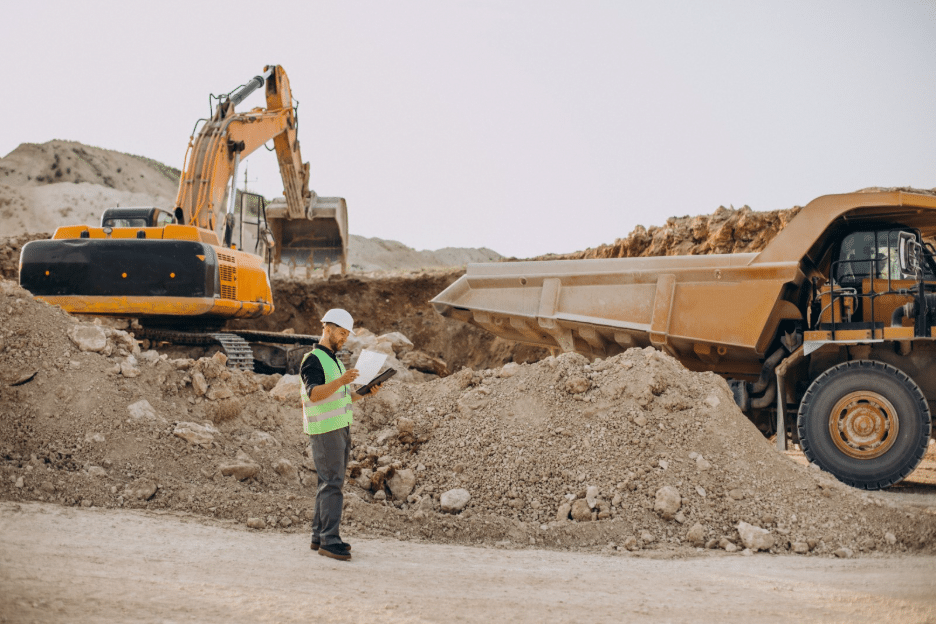
Commercial construction projects begin long before structures take shape. One of the most critical early phases is commercial site excavation, which lays the groundwork for everything that follows. Proper preparation ensures that projects move forward without costly interruptions, delays, or structural complications.
For developers and contractors, understanding how to approach site prep for construction at scale is essential. From industrial excavation to commercial grading and equipment planning, each step requires coordination, technical knowledge, and careful execution.
This guide explores how to prepare commercial sites effectively for large-scale excavation projects while maintaining project efficiency and minimizing risks.
Understanding Commercial Site Excavation
Commercial site excavation involves the removal, relocation, and preparation of soil and materials to create a stable foundation for construction. Unlike smaller residential projects, commercial excavation often requires handling large land areas, complex soil conditions, and strict regulatory requirements.
The scope of commercial site excavation may include:
- Land clearing and debris removal
- Soil testing and analysis
- Excavation for foundations and utilities
- Drainage planning
- Commercial grading for level surfaces
Large-scale projects demand a strategic approach, as even minor errors in excavation can impact the entire construction timeline.
The Importance of Proper Site Prep for Construction
Site prep for construction is not limited to clearing land. It involves a sequence of interconnected tasks that ensure the site is ready for structural development.
Key Components of Site Preparation
Land Assessment and Surveying
Before excavation begins, a detailed land survey identifies boundaries, elevation levels, and existing site conditions. This step helps contractors understand the terrain and plan excavation accordingly.
Soil Testing and Analysis
Soil stability determines how well the foundation will perform. Testing identifies load-bearing capacity, moisture levels, and potential risks such as erosion or shifting.
Permits and Compliance
Large-scale industrial excavation projects must comply with local regulations. Securing permits early prevents delays and ensures adherence to environmental and safety standards.
Clearing and Demolition
Removing vegetation, structures, and debris is essential to create a workable surface. This phase sets the stage for efficient excavation operations.
Proper site prep for construction ensures that the excavation process proceeds smoothly without unexpected complications.
Planning Industrial Excavation for Large Projects
Industrial excavation involves a higher level of complexity due to the scale and technical requirements. Effective planning is critical to ensure safety, accuracy, and timely completion.
Developing a Detailed Excavation Plan
A comprehensive excavation plan outlines:
- Project scope and timelines
- Soil handling and disposal methods
- Equipment requirements
- Safety measures
- Environmental considerations
This plan acts as a blueprint for the entire operation and helps align all stakeholders.
Risk Assessment and Mitigation
Large-scale excavation projects often encounter challenges such as:
- Unstable soil conditions
- Underground utilities
- Weather disruptions
Identifying these risks early allows contractors to implement preventive measures, reducing the likelihood of delays.
Role of Commercial Grading in Site Preparation
Commercial grading is a crucial part of excavation that ensures proper leveling and drainage of the site. It directly impacts the stability and longevity of the structure.
Why Commercial Grading Matters
Grading helps:
- Create a level base for construction
- Improve water drainage and prevent flooding
- Reduce soil erosion
- Support structural integrity
Improper grading can lead to water accumulation, foundation damage, and costly repairs.
Types of Grading Techniques
Rough Grading
This initial stage shapes the land according to design plans and removes large irregularities.
Fine Grading
Fine grading ensures precise leveling and prepares the surface for foundation work.
Drainage Grading
This technique directs water flow away from structures, protecting the site from water-related issues.
In commercial site excavation, grading is not just about leveling land but about creating a functional and sustainable construction environment.
Equipment Planning for Efficient Excavation
Equipment planning plays a central role in the success of large-scale excavation projects. The right machinery ensures accuracy, safety, and speed.
Selecting the Right Equipment
Common equipment used in commercial excavation includes:
- Excavators for digging and trenching
- Bulldozers for land clearing and grading
- Loaders for material handling
- Dump trucks for transporting soil
Choosing equipment based on project requirements helps avoid inefficiencies and unnecessary costs.
Optimizing Equipment Usage
Efficient equipment planning involves:
- Scheduling machinery usage to prevent downtime
- Ensuring proper maintenance to avoid breakdowns
- Training operators for safe and effective handling
Well-coordinated equipment planning contributes significantly to project efficiency.
Managing Project Efficiency in Excavation
Project efficiency is a key concern for developers and contractors. Delays in excavation can affect the entire construction schedule.
Strategies to Improve Efficiency
Clear Communication
Effective communication among project teams ensures that everyone understands timelines, responsibilities, and expectations.
Accurate Scheduling
Creating realistic timelines helps manage resources effectively and prevents bottlenecks.
Continuous Monitoring
Regular site inspections and progress tracking allow for quick adjustments if issues arise.
Coordination with Other Phases
Excavation must align with subsequent construction activities to maintain workflow continuity.
Maintaining project efficiency requires a proactive approach and attention to detail throughout the excavation process.
Addressing Environmental and Safety Considerations
Large-scale excavation projects must prioritize environmental responsibility and worker safety.
Environmental Considerations
- Managing soil erosion and sediment control
- Proper disposal of excavated materials
- Protecting nearby ecosystems
Safety Measures
- Ensuring proper trench support systems
- Conducting regular safety inspections
- Providing protective equipment for workers
Adhering to these practices not only ensures compliance but also contributes to the overall success of the project.
Common Challenges in Commercial Site Excavation
Even with careful planning, excavation projects can face challenges that impact progress.
Unpredictable Soil Conditions
Variations in soil composition can affect excavation methods and timelines.
Weather Delays
Rain and extreme weather can disrupt excavation activities and create unsafe conditions.
Utility Conflicts
Encountering underground utilities can require redesigning excavation plans.
Equipment Failures
Unexpected breakdowns can halt operations and delay completion.
Understanding these challenges allows contractors to prepare contingency plans and minimize disruptions.
Best Practices for Successful Excavation Projects
To ensure smooth execution of commercial site excavation, contractors and developers should follow proven best practices.
Thorough Pre-Planning
Investing time in planning reduces risks and improves efficiency.
Skilled Workforce
Experienced operators and supervisors ensure quality work and adherence to safety standards.
Use of Technology
Modern tools such as GPS and site modeling software enhance accuracy and planning.
Regular Evaluation
Ongoing assessment helps identify issues early and implement corrective measures.
Applying these practices helps achieve consistent and reliable outcomes in large-scale excavation projects.
Conclusion
Preparing commercial sites for large-scale excavation projects requires a structured and informed approach. From site prep for construction to industrial excavation, commercial grading, and equipment planning, every step plays a vital role in project success.
For developers and contractors, focusing on project efficiency and proactive planning helps minimize delays and ensures smooth execution. By understanding the complexities involved in commercial site excavation, stakeholders can make better decisions and deliver projects that meet both timelines and quality standards. Preparing commercial sites for large-scale excavation projects requires a structured and informed approach that balances technical precision with practical execution.
At Titanium Excavation, we approach every commercial site excavation project with a clear focus on planning, coordination, and long-term performance. From site prep for construction to industrial excavation, commercial grading, and detailed equipment planning, each phase is carefully managed to support a stable and efficient build process.
For developers and contractors, prioritizing project efficiency and proactive planning is essential to minimizing delays and avoiding costly setbacks. At Titanium Excavation, we emphasize clear communication, thorough site evaluation, and well-organized workflows to ensure that every stage of excavation aligns with the overall construction timeline.
By understanding the complexities involved in large-scale excavation and applying industry best practices, our team works to deliver consistent results across a wide range of commercial projects. This approach helps stakeholders make informed decisions, optimize resources, and move forward with confidence, knowing that the groundwork has been prepared to meet both structural requirements and project expectations.
Frequently Asked Questions (FAQs)
What is commercial site excavation?
Commercial site excavation is the process of preparing land for construction by removing soil, leveling the ground, and creating a stable foundation for commercial structures.
Why is site prep for construction important?
Site preparation ensures that the land is stable, properly graded, and ready for construction, reducing the risk of structural issues and delays.
What is the difference between industrial excavation and commercial excavation?
Industrial excavation typically involves larger, more complex projects such as factories and infrastructure, while commercial excavation focuses on buildings like offices and retail spaces.
How does commercial grading affect construction?
Commercial grading ensures proper leveling and drainage, which helps prevent water damage and supports the stability of the structure.
What factors impact project efficiency in excavation?
Factors include proper planning, equipment management, weather conditions, soil quality, and effective communication among teams.
What equipment is used in commercial site excavation?
Common equipment includes excavators, bulldozers, loaders, and dump trucks, each serving specific roles in the excavation process.
Recent Comments