
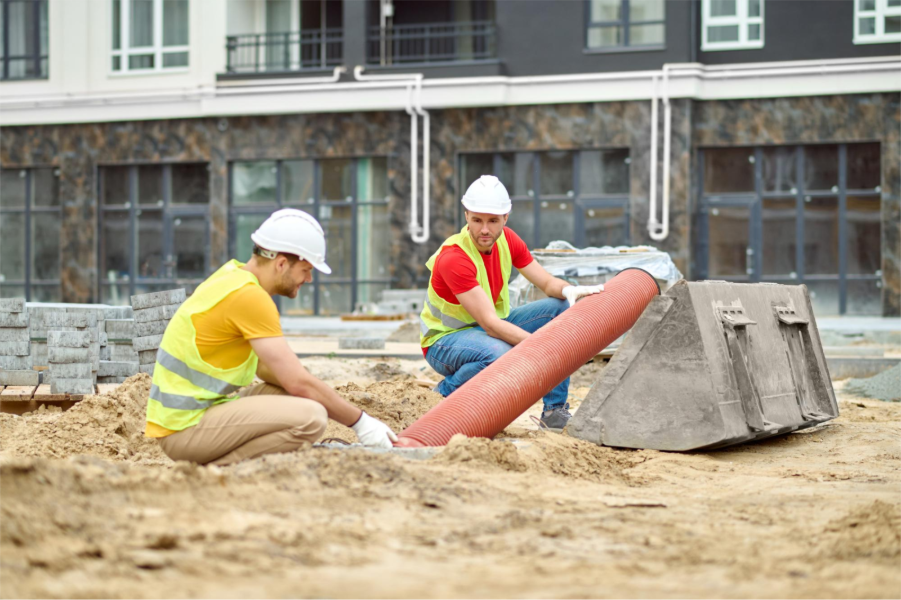
Water damage is one of the most expensive and disruptive issues in construction. Whether it affects a residential home or a large commercial development, uncontrolled water can weaken foundations, destroy landscaping, and create long-term structural problems. Implementing effective site drainage solutions is essential to protect both property value and structural integrity.
For developers and homeowners, proper drainage design is not just about directing rainwater away. It involves understanding land slope, soil composition, runoff patterns, and stormwater behavior. When planned correctly, drainage systems prevent erosion, protect foundations, and support sustainable development practices. Professional storm drain services ensure that water management systems are designed and installed to handle both everyday runoff and severe weather conditions efficiently.
Why Proper Site Drainage Design Matters
Water always moves toward the lowest point. If a site is not graded correctly or lacks an effective drainage system, rainwater and melting snow will accumulate near foundations or other vulnerable areas. Over time, this accumulation increases hydrostatic pressure against walls and slabs.
Without proper site drainage solutions, this pressure can cause cracking, seepage, basement flooding, and soil instability. Preventive design eliminates these risks before they escalate into costly repairs.
Understanding Stormwater Control
Stormwater control focuses on managing large volumes of rainfall in a controlled and safe manner. A well-designed system ensures water is directed away from structures and does not overwhelm surrounding areas.
Stormwater control systems help to:
- Manage runoff during heavy rainfall
- Prevent pooling around foundations
- Reduce flooding risks
- Protect landscaping from washouts
- Limit strain on municipal drainage systems
Proper stormwater planning ensures both property protection and environmental responsibility.
The Role of Proper Grading
Grading is one of the most critical components of site drainage solutions. It determines how water flows across the property and away from buildings.
Effective grading strategies include:
- Creating a consistent slope away from foundations
- Eliminating low spots where water collects
- Designing smooth surface transitions
- Ensuring proper elevation alignment with drainage outlets
- Supporting natural runoff direction
Even small grading mistakes can result in significant long-term damage.
Erosion Prevention and Soil Stability
Erosion occurs when flowing water gradually removes soil from the site. This process can destabilize slopes, damage landscaping, and expose foundation structures. Over time, unchecked erosion weakens the overall stability of the property.
Proper erosion prevention strengthens soil retention and preserves landscape features. Techniques such as vegetation coverage, retaining structures, and controlled drainage channels help protect vulnerable areas from water displacement.
Trench Drainage Systems
Trench drainage systems are highly effective for collecting surface water in paved or high-traffic areas. These systems quickly redirect water before it has time to pool.
Trench drainage systems provide:
- Rapid surface water collection
- Protection for driveways and patios
- Reduced slip hazards
- Controlled runoff direction
- Improved long-term surface durability
These systems are particularly useful in both residential and commercial settings.
Runoff Management Strategies
Runoff management ensures water flows in a controlled and predictable manner. Poor runoff planning can lead to property damage, soil erosion, and water overflow into neighboring areas.
Effective runoff management involves guiding water through planned channels and drainage pathways. Swales, catch basins, and permeable surfaces help regulate flow and prevent concentrated water pressure in one location. Proper planning also ensures compliance with local environmental and construction standards.
Protecting Foundations from Water Damage
Foundations are especially vulnerable to water accumulation. When water builds up near structural walls, it increases pressure against concrete surfaces. This pressure can lead to cracking, seepage, and long-term weakening.
By integrating site drainage solutions into foundation planning, water is redirected before it creates structural stress. Perimeter drains, sloped grading, and controlled discharge points all contribute to foundation protection and durability.
Landscaping and Drainage Integration
Drainage planning should work alongside landscaping design rather than conflict with it. Without coordination, water flow may wash away soil, damage plant roots, or undermine decorative features.
Integrated planning ensures that drainage channels complement landscaping elements. Strategic plant placement, mulching, and soil stabilization techniques reduce erosion while maintaining aesthetic appeal. Proper coordination protects both structural components and outdoor design features.
Idaho Construction Considerations
In regions such as Idaho, seasonal weather patterns create additional drainage challenges. Snow accumulation followed by rapid melting can generate high volumes of runoff within a short time. Combined with spring rainfall, this increases the importance of effective drainage systems.
Idaho construction projects must account for freeze-thaw cycles, soil composition, and elevation changes. Site drainage solutions in these environments require careful engineering to manage seasonal water flow safely and consistently. Proper property preparation for excavation ensures that grading and drainage systems are implemented efficiently, reducing the risk of water-related damage before construction begins.
Long-Term Cost Savings
Investing in professional drainage design during construction significantly reduces long-term maintenance expenses. Repairing foundation cracks, restoring landscaping, or addressing basement flooding can be extremely costly.
Proper drainage systems prevent these problems before they occur. Developers and homeowners benefit from fewer repairs, lower insurance risks, and improved property value. Preventive planning always delivers stronger financial returns than reactive correction.
Compliance with Building Regulations
Many municipalities enforce strict regulations regarding runoff management and environmental protection. Poor drainage design can lead to code violations, fines, or project delays.
By implementing professional site drainage solutions, developers ensure compliance with regulatory standards. Meeting these requirements not only protects the environment but also safeguards project timelines and reputations.
Sustainable Drainage Practices
Modern construction increasingly emphasizes sustainability. Sustainable drainage practices aim to replicate natural water absorption patterns and reduce environmental impact.
Techniques such as permeable paving, rain gardens, and retention basins help control stormwater while supporting groundwater recharge. These approaches protect ecosystems while preventing water damage to built structures.
Signs of Poor Drainage Design
Early detection of drainage problems can prevent significant structural damage. Common warning signs include persistent pooling near foundations, soil displacement after storms, damp basement walls, or visible erosion along slopes.
Addressing these indicators promptly prevents further deterioration. Professional evaluation can identify underlying grading or runoff issues before they worsen.
The Importance of Professional Planning
Effective drainage design requires technical expertise in grading, hydrology, and construction practices. Professionals assess elevation changes, soil conditions, and projected rainfall patterns to design reliable systems.
Accurate calculations and proper system sizing ensure long-term performance. Without professional planning, drainage systems may fail under heavy rainfall conditions.
Conclusion
Preventing water damage begins with strategic planning and proper execution. Effective site drainage solutions combine stormwater control, accurate grading, trench drainage systems, and runoff management to protect both foundations and landscaping.
For developers and homeowners, investing in professional drainage design ensures structural stability, cost efficiency, and long-term resilience. Especially in regions with seasonal weather variations, proactive drainage planning is essential. Regular storm drain cleaning plays a critical role in preventing blockages and flooding, helping properties remain secure, functional, and protected for years to come.
Recent Comments