
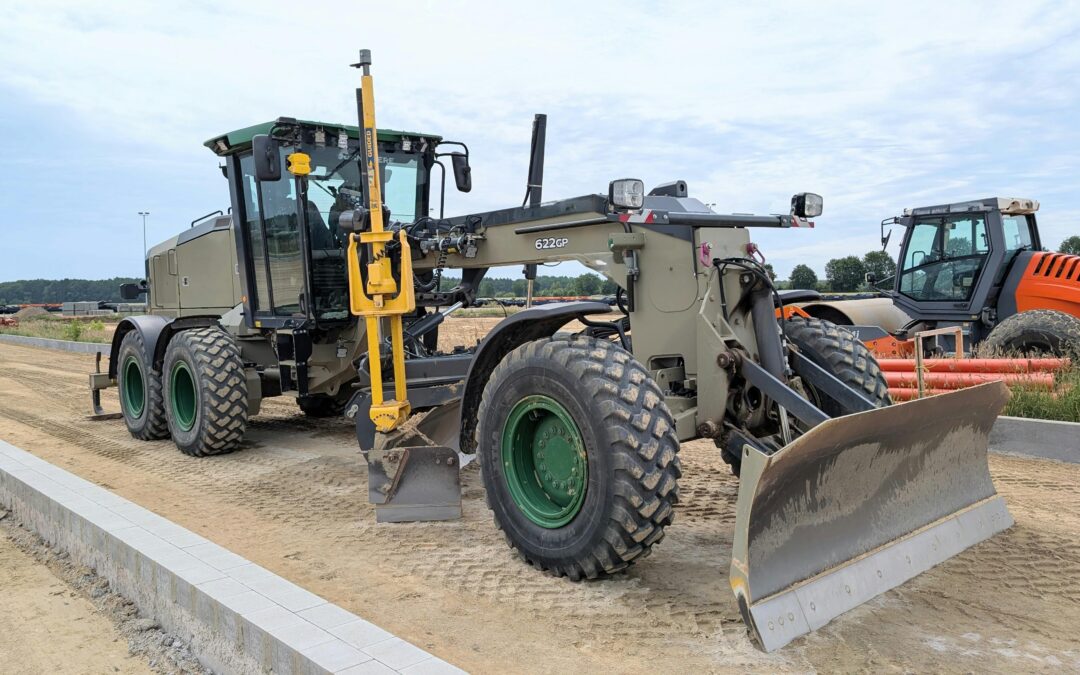
Smart grading subdivision is transforming modern land-development projects in Idaho, where precision is critical. Subdivisions, in particular, require accurate lot grades, street profiles, and drainage systems. A small error in grading can lead to water accumulation, uneven lots, and costly rework. For developers and contractors, smart grading subdivision technology ensures accuracy, efficiency, and consistent results.
Smart grading technology uses advanced equipment, digital site models, and GPS-guided systems to execute precise grading tasks. By integrating these technologies into subdivision development, contractors can achieve high-quality outcomes, maintain compliance with regulations, and deliver projects on time. This approach has become essential for large-scale residential projects and sitework in Idaho.
Why Precision Grading Matters in Subdivision Development
Subdivision projects involve complex requirements, including correct lot slopes, street alignment, proper drainage, and utility placement. If the grading is inaccurate, it can lead to standing water, drainage issues, structural concerns, and non-compliance with municipal standards. These mistakes often result in delays, additional costs, and challenges for developers.
Precision grading using smart technology ensures that the design specifications from engineers are executed accurately. This includes exact cut and fill levels, slope maintenance, and proper alignment for streets and utilities. Developers in Idaho benefit from these systems by reducing errors, minimizing rework, and keeping the project schedule on track.
Understanding Smart Grading Technology
Smart grading combines GPS or GNSS-enabled machine control systems, 3D digital site models, and real-time feedback to operators. The equipment, such as bulldozers, excavators, and graders, uses these inputs to maintain accurate grades without extensive manual measurement.
The process begins with a 3D model of the subdivision, including lot elevations, street profiles, and drainage features. Operators then load this model into the grading machines, which are equipped with sensors that adjust blade positions automatically to maintain precise cuts and fills. This technology allows crews to achieve consistent results faster and with greater accuracy than traditional grading methods.
Benefits of Smart Grading for Subdivision Projects
Accuracy: Smart grading ensures that each lot and street meets exact design specifications. Maintaining precise elevations prevents water accumulation, improves drainage, and reduces the risk of structural issues.
Efficiency: Traditional methods require repeated staking and manual measurement. Smart grading allows operators to adjust grades in real-time, completing large areas in fewer passes. This reduces labor costs and accelerates project timelines.
Cost Control: By minimizing mistakes and rework, smart grading reduces material waste and labor costs. Developers save money and avoid expensive delays in utility installation or paving.
Documentation: Many smart grading systems log machine passes and capture as-built data. This provides developers with detailed records for approvals, inspections, and future reference.
Overcoming Challenges in Subdivision Grading
Subdivision sites often present challenges such as variable soil conditions, rock, water tables, and tight lot spacing. Smart grading technology helps overcome these issues. For example, GPS-guided machines can adjust to soft soils or rocky areas in real time, ensuring accurate cuts and fills across the entire development.
In addition, smart grading allows precise integration with utility installation, road construction, and landscaping. Developers can plan drainage swales and retention areas with confidence that the final grading will function as intended.
Evaluating a Smart Grading Contractor
When selecting a contractor for subdivision grading in Idaho, it is important to consider their technology, experience, and process. Questions to ask include:
- Do you use GPS or GNSS-guided grading equipment?
- Can you provide as-built grade reports and documentation?
- What tolerance levels do you maintain for cuts and fills?
- How do you handle variable soil conditions or rock excavation?
- What experience do you have in local subdivision projects?
Contractors with expertise in smart grading can ensure that your subdivision project meets design standards, stays on schedule, and minimizes costly adjustments.
The Smart Grading Process
- Pre-Construction Planning: Engineers create a detailed 3D site model, including lot elevations, street profiles, and drainage systems. This model guides the grading process.
- Setup & Calibration: GPS and machine sensors are calibrated on the site benchmark to ensure all equipment is aligned accurately.
- Mass Cut and Fill: Large-scale earthwork is performed using GPS-guided equipment, adjusting in real-time to maintain precise grades.
- Fine Grading: Operators refine lot pads, streets, and drainage swales to exact specifications.
- Utility & Road Integration: Grading is coordinated with utility placement and road construction to ensure proper slopes and alignment.
- Documentation & Quality Assurance: Final grading data is logged for compliance, approvals, and future reference.
Advantages for Developers
Using smart grading in subdivision development offers tangible benefits:
- Faster project completion: Accurate grading reduces delays caused by rework.
- Reduced labor costs: Operators complete tasks efficiently with fewer passes.
- Improved lot quality: Consistent slopes and proper drainage enhance property value.
- Risk mitigation: Accurate grading minimizes water damage, structural issues, and compliance problems.
Developers in Idaho benefit from reduced costs, improved project timelines, and high-quality results that meet municipal standards and buyer expectations.
Conclusion
Subdivision development in Idaho demands accuracy, efficiency, and reliable results. Smart grading subdivision Idaho provides these benefits through GPS-guided equipment, digital site models, and experienced operators. By choosing a contractor with smart grading capabilities, developers can reduce rework, improve drainage, and accelerate project timelines. Precision grading ensures that lots, streets, and utilities are constructed to exact specifications, safeguarding the investment and supporting successful project completion.
Smart grading is more than just a technological upgrade; it is a strategic tool for developers seeking quality, efficiency, and cost-effective subdivision development. Learn more about professional smart grading services in Idaho at Titanium Excavation.
Frequently Asked Questions
Q1: What is the primary benefit of smart grading?
The main benefit is precision. Smart grading ensures accurate lot elevations, street slopes, and drainage, reducing errors and rework.
Q2: Can smart grading be used for small sites?
Yes. While it’s especially beneficial for large subdivisions, smart grading improves efficiency and accuracy on smaller sites as well.
Q3: How does smart grading affect costs?
Initial equipment and setup costs may be higher, but reduced rework, faster project completion, and improved quality often offset the expense.
Q4: What happens if grading is done poorly?
Poor grading can result in water pooling, structural damage, utility conflicts, and increased costs for corrections.
Q5: Is smart grading difficult to implement?
Implementation requires skilled operators, calibrated equipment, and detailed site models. Experienced contractors make the process efficient and reliable.
Recent Comments