
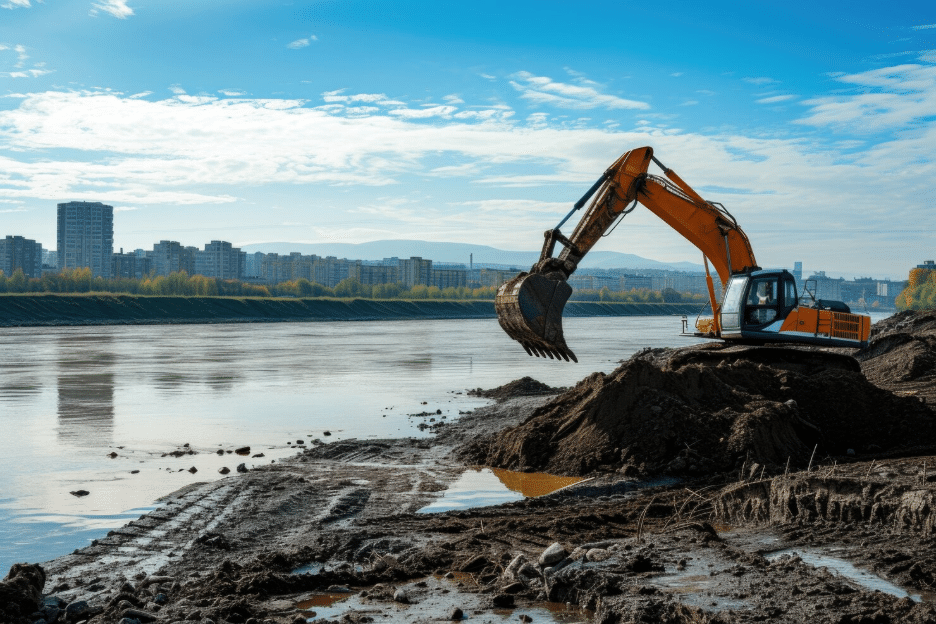
Modern construction requires a balance between development needs and environmental responsibility. One of the most critical areas where this balance is applied is sustainable excavation. Since excavation is the first stage of most construction projects, its environmental impact can influence the entire lifecycle of a site.
Sustainable excavation focuses on reducing soil disruption, controlling runoff, minimizing emissions, and ensuring responsible land management. For contractors and developers, it is no longer just an optional approach but an essential part of modern green construction practices.
At Titanium Excavation, sustainable methods are integrated into planning and execution to support environmentally responsible site development while maintaining operational efficiency.
Understanding Sustainable Excavation
Sustainable excavation refers to controlled earthmoving practices that reduce environmental harm while maintaining productivity. It involves planning excavation activities in a way that limits soil damage, preserves natural drainage patterns, and reduces waste.
Unlike traditional excavation methods, this approach considers long-term environmental stability alongside construction requirements.
Key Objectives of Sustainable Excavation
- Reduce soil erosion and land degradation
- Minimize fuel usage and emissions
- Protect surrounding ecosystems and water systems
- Improve efficiency in material handling
- Ensure compliance with environmental regulations
These objectives guide how excavation projects are planned and executed from start to finish.
Importance of Sustainable Excavation in Construction
Excavation is often the most disruptive phase of construction. Without proper controls, it can lead to erosion, sediment runoff, and habitat loss.
Sustainable practices help reduce these risks by introducing structured planning and controlled execution. They also improve project reliability by reducing unexpected environmental disruptions.
Benefits for Contractors and Developers
- Improved regulatory compliance
- Reduced risk of project delays
- Better site stability and safety
- Lower long-term maintenance issues
- Enhanced environmental responsibility
These benefits make sustainable excavation an important part of modern construction planning.
Eco-Friendly Earthmoving Practices
Eco-friendly earthmoving focuses on reducing environmental disturbance during soil movement and material handling. It combines equipment efficiency with careful site planning.
Key Eco-Friendly Practices
- Using fuel-efficient machinery to reduce emissions
- Planning earthmoving routes to avoid unnecessary travel
- Minimizing repeated handling of soil materials
- Restricting machinery movement in sensitive areas
- Scheduling work to reduce idle machine time
These methods help reduce both environmental impact and operational waste.
At Titanium Excavation, earthmoving is planned according to site conditions to ensure minimal disruption while maintaining construction efficiency.
Erosion Control Methods in Excavation Projects
Erosion is one of the most common environmental issues in excavation work. Without control measures, exposed soil can easily be washed or blown away.
Common Causes of Erosion
- Heavy rainfall on exposed soil
- Lack of vegetation cover
- Poor drainage management
- Excessive slope cutting
Erosion Control Methods
- Installing sediment barriers and silt fences
- Using temporary soil coverings
- Stabilizing slopes with grading techniques
- Redirecting water flow using drainage planning
- Restoring vegetation after excavation
These methods help maintain soil stability throughout the construction process.
Site Protection in Excavation Work
Site protection ensures that excavation activities do not damage surrounding land, infrastructure, or ecosystems.
Key Site Protection Measures
- Clearly marking excavation boundaries
- Restricting machinery to designated zones
- Installing protective barriers around sensitive areas
- Managing surface water runoff
- Monitoring soil movement during operations
Proper site protection reduces environmental risks and improves control over excavation activities.
Green Construction and Responsible Excavation
Green construction principles also apply to excavation by focusing on reducing environmental impact right from the earliest stage of development. This involves using sustainable practices such as minimizing land disturbance, managing waste responsibly, and preventing soil erosion. It also includes protecting nearby ecosystems, reducing fuel consumption of machinery, and ensuring efficient use of resources. By adopting these methods early on, projects can significantly lower their overall environmental footprint.
Responsible Excavation Practices
- Reusing excavated soil for backfilling and grading
- Reducing unnecessary material transportation
- Limiting disturbance to surrounding vegetation
- Planning excavation in phases to reduce impact
- Using efficient machinery scheduling
These practices help align excavation work with broader sustainability goals.
Equipment Efficiency and Environmental Impact
Excavation equipment plays a major role in environmental performance. Poorly managed machinery can increase fuel consumption and emissions significantly.
Equipment Efficiency Strategies
- Selecting appropriate machine size for the task
- Performing regular maintenance checks
- Reducing idle running time
- Training operators for efficient handling
- Coordinating machine movement to avoid overlap
Efficient equipment use directly supports sustainable excavation goals.
Waste Management in Excavation Projects
Excavation generates large volumes of soil and debris. Proper management reduces environmental impact and improves site organization.
Waste Management Practices
- Reusing excavated soil on-site where possible
- Separating reusable and non-reusable materials
- Reducing off-site transport of excess material
- Following disposal regulations for waste materials
- Planning material flow in advance
These steps help reduce landfill usage and improve project efficiency.
Environmental Compliance in Excavation
Compliance with environmental regulations is essential in excavation projects. It ensures that construction activities meet legal and ecological standards while also protecting surrounding land, water systems, and natural habitats from unnecessary disturbance. Following these regulations helps maintain responsible excavation practices and reduces the risk of environmental damage during site development.
Key Compliance Steps
- Conducting environmental impact assessments
- Obtaining required permits before excavation
- Following soil and water protection guidelines
- Monitoring environmental performance during work
- Documenting excavation activities for audits
Proper compliance planning helps avoid delays and penalties.
Challenges in Sustainable Excavation
Even with careful planning, sustainable excavation presents challenges.
Common Challenges
- Balancing efficiency with environmental controls
- Managing unexpected weather conditions
- Handling variable soil conditions
- Maintaining cost control while using sustainable methods
- Coordinating multiple site activities effectively
Despite these challenges, long-term benefits make sustainable practices essential.
Future of Sustainable Excavation
The future of excavation is moving toward more technology-driven and environmentally conscious methods. Digital modeling, automated machinery, and real-time environmental monitoring are improving how sites are managed.
Sustainable excavation will continue to evolve as regulations become stricter and construction demands increase. Contractors who adopt these practices early will be better prepared for future industry standards.
Conclusion
Sustainable excavation plays a critical role in reducing environmental impact while maintaining construction efficiency. At Titanium Excavation, we place strong emphasis on erosion control methods, eco-friendly earthmoving, site protection, and green construction practices to support more responsible and well-planned development outcomes.
Through structured planning, careful execution, and a consistent focus on environmental awareness, our team ensures that every project is managed with precision from start to finish. We work to balance operational efficiency with responsible site management, reducing unnecessary soil disturbance, controlling runoff, and supporting long-term land stability.
At Titanium Excavation, each project is approached with a clear understanding of environmental responsibility and construction requirements. This allows us to contribute to development projects that are not only efficient and compliant but also aligned with sustainable excavation practices that protect the land for the future.
Frequently Asked Questions (FAQs)
What is sustainable excavation?
Sustainable excavation is the practice of carrying out earthmoving work while minimizing environmental damage through controlled planning and execution.
Why is erosion control important in excavation?
It prevents soil loss, reduces water pollution, and maintains site stability during construction activities.
What is eco-friendly earthmoving?
It refers to using efficient equipment and planned movement strategies to reduce emissions and environmental disruption.
How does site protection help in excavation projects?
It prevents damage to surrounding land and ecosystems by controlling machinery movement and managing runoff.
What are responsible excavation practices?
They include soil reuse, reduced waste, controlled grading, and minimizing environmental disturbance.
Is sustainable excavation necessary for all projects?
Yes, especially for large scale developments where environmental impact and regulatory compliance are significant concerns.
Recent Comments