
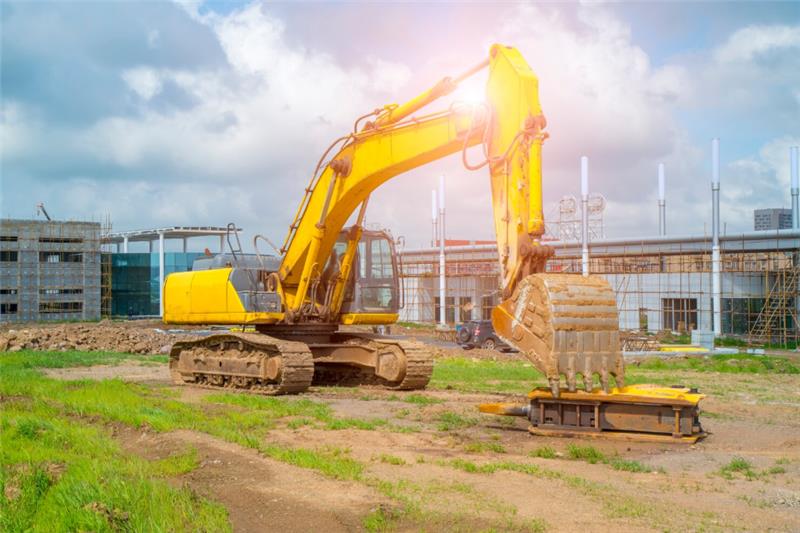
Residential excavation is one of the most important stages in any construction project, even though it often happens before any visible structure is built. The residential excavation process lays the foundation for everything that follows, including structural stability, drainage performance, and utility installation.
For homeowners and small developers, understanding how excavation works from start to finish helps in planning budgets, managing timelines, and ensuring smoother coordination with contractors. This detailed guide explains each phase of the excavation lifecycle in a clear and structured way.
What is Residential Excavation?
The residential excavation process refers to the controlled removal, movement, and shaping of soil and rock to prepare a site for construction. It is not just digging the ground but carefully engineering the land to ensure it is suitable for building safe and durable structures.
Proper excavation ensures that the foundation sits on stable soil, drainage is properly managed, and underground utilities are installed safely. Without correct excavation, buildings may face long-term problems such as cracking, water damage, or uneven settlement.
Key points:
- Prepares land for safe foundation construction
- Ensures stable and compact soil conditions
- Supports proper drainage and water flow
- Enables safe installation of utilities
- Reduces long-term structural risks
Step 1: Initial Planning and Site Evaluation
Every residential excavation process begins with planning and site evaluation. This stage helps contractors understand the condition of the land and design a suitable excavation strategy.
The site is inspected for soil type, moisture content, slope, and natural drainage patterns. These factors directly affect how deep excavation should go and what equipment will be required. Engineers also review architectural and structural drawings to understand foundation requirements.
A well-planned project workflow ensures fewer delays and better cost control throughout the excavation process.
Key points:
- Soil testing and ground condition analysis
- Evaluation of slope and drainage direction
- Review of architectural and structural plans
- Selection of excavation methods and equipment
- Identification of potential site risks
Step 2: Permits and Regulatory Compliance
Before excavation begins, necessary permits must be obtained from local authorities. These regulations ensure that excavation work is done safely and does not interfere with public infrastructure or the environment.
Utility companies are also contacted to mark underground lines such as water, gas, electricity, and communication cables. This prevents accidental damage during digging.
Key points:
- Excavation and construction permits approval
- Utility line identification and marking
- Environmental compliance checks
- Adherence to local building codes
- Safety clearance before work begins
Step 3: Site Preparation
Site preparation is a critical stage that ensures the land is ready for excavation work. The area is cleared of vegetation, debris, rocks, and any existing small structures that may interfere with construction activities.
After clearing, surveyors mark the boundaries of excavation areas based on engineering drawings. This ensures precision and prevents unnecessary soil removal.
Safety is also established at this stage with fencing, signage, and controlled access points for machinery and workers.
Key points:
- Clearing of trees, debris, and surface obstacles
- Marking excavation boundaries and foundation layout
- Installation of safety barriers and warning signs
- Creation of machinery access routes
- Preparation of a controlled work environment
Step 4: Excavation and Earth Removal
This is the core stage of the residential excavation process where actual digging takes place. Heavy machinery such as excavators, backhoes, and loaders are used to remove soil and reach required foundation depths.
Excavation is done carefully in layers to maintain soil stability and prevent collapse. Depending on soil conditions, excavation may involve both vertical digging and sloped cutting.
Soil removed during this stage is either reused for backfilling or transported off-site according to project requirements.
Key points:
- Bulk soil removal using heavy machinery
- Layered excavation for stability
- Foundation and basement depth creation
- Soil storage or disposal management
- Continuous measurement and depth control
Step 5: Grading and Leveling
Once excavation is complete, grading ensures that the land is properly shaped and leveled. This step is essential for controlling drainage and preparing the surface for construction.
Rough grading establishes general contours of the land, while finish grading provides precise leveling according to design specifications. Proper grading prevents water accumulation near foundations and reduces erosion risks.
Key points:
- Rough grading for surface shaping
- Finish grading for precision leveling
- Drainage flow control and adjustment
- Soil compaction for stability
- Prevention of water pooling and erosion
Step 6: Trenching for Utilities
Trenching is the process of digging narrow and precise channels for underground utility systems. These include water supply lines, sewer systems, electrical conduits, and sometimes gas pipelines.
Each trench must follow strict depth, width, and alignment requirements. Proper spacing between utilities is important to avoid interference and ensure long-term safety.
Key points:
- Water supply and drainage trenches
- Sewer line installation channels
- Electrical and communication conduits
- Gas pipeline routing (if required)
- Accurate depth and alignment control
Step 7: Utility Installation Support
After trenching is completed, utility installation begins. While specialized contractors handle installation, excavation teams support the process by maintaining trench stability and ensuring proper alignment.
Once utilities are placed, trenches are filled in layers using compacted soil. This prevents ground settlement and protects underground systems from damage.
Key points:
- Installation of underground utility systems
- Coordination between excavation and utility teams
- Layered backfilling of trenches
- Soil compaction for long-term stability
- Protection of installed infrastructure
Step 8: Final Grading and Surface Preparation
Final grading ensures the site is ready for construction. The surface is refined, leveled, and shaped to ensure proper drainage away from the foundation.
This step is critical because poor drainage can lead to foundation damage, soil erosion, and long-term maintenance issues. Final grading ensures the land is stable and ready for structural development.
Key points:
- Final surface leveling and smoothing
- Drainage slope correction
- Soil compaction and stabilization
- Erosion control measures
- Preparation for foundation work
Step 9: Final Inspections
Before construction begins, the site undergoes final inspections. Authorities or engineers check whether the excavation work meets all required safety and engineering standards.
They review excavation depth, soil compaction, grading accuracy, and utility placement. If any issues are identified, corrections must be made before approval is granted.
Key points:
- Verification of excavation depth accuracy
- Soil stability and compaction testing
- Utility placement inspection
- Drainage and slope validation
- Final safety and compliance approval
Step 10: Site Handover for Construction
Once inspections are completed successfully, the site is handed over to the construction team. At this point, the excavation phase is fully complete, and the land is ready for foundation work.
A properly completed residential excavation process ensures a strong base for construction, accurate utility placement, and long-term structural safety.
Key points:
- Completion of excavation phase
- Transfer to construction team
- Ready foundation surface
- Installed and protected utilities
- Stable and leveled ground conditions
Common Challenges in Residential Excavation
Although excavation is carefully planned, several challenges may arise during the process. Soil conditions can vary unexpectedly, requiring adjustments in excavation methods. Weather conditions, especially heavy rain, can delay grading and digging activities.
In residential areas, limited access space can restrict machinery movement, making the process more complex. Additionally, hidden underground utilities or debris may be discovered during excavation, requiring redesign or adjustments.
Key points:
- Unstable or rocky soil conditions
- Weather-related delays
- Hidden underground structures or utilities
- Limited site access for machinery
- Changes in excavation design requirements
Importance of a Structured Project Workflow
A structured project workflow ensures that every stage of excavation is completed in the correct order. This helps avoid delays, reduces risks, and improves coordination between teams.
Each phase, from planning to final inspection, builds on the previous one. This systematic approach ensures that the construction site is fully prepared before building begins.
Key points:
- Improved project organization and control
- Reduced delays and rework
- Better safety management
- Efficient use of equipment and resources
- Accurate construction readiness
Role of Professional Excavation Services
Professional expertise plays a major role in ensuring excavation projects are completed safely and efficiently. Skilled contractors understand soil conditions, equipment handling, and regulatory requirements.
At Titanium Excavation we provide structured excavation services that follow industry standards and ensure accurate execution of the residential excavation process from start to finish.
Conclusion
The residential excavation process is a carefully structured sequence of steps that transforms raw land into a safe and stable construction site. From planning and site preparation to grading, trenching, utility installation, and final inspections, every stage plays a vital role in ensuring construction success.
For homeowners and small developers, understanding this process helps improve decision-making, reduce risks, and ensure smoother project execution.
Frequently Asked Questions (FAQs)
What is residential excavation?
It is the process of preparing land for construction by removing and shaping soil to create a stable foundation.
Why is site preparation important?
It ensures the land is cleared, marked, and safe before excavation begins, reducing errors and delays.
What is grading in excavation?
Grading is the process of leveling and shaping land to ensure proper drainage and stability.
What is trenching used for?
Trenching is used to install underground utilities such as water, sewer, and electrical systems.
Why are final inspections required?
They ensure the excavation work meets engineering, safety, and regulatory standards before construction begins.
Recent Comments